Table of Contents
- What Does a Fire Engineer Do?
- Fire Engineer Qualifications and Professional Accreditation
- Understanding Fire Engineering Reports
- Performance-Based Solutions in Fire Engineering
- Fire Engineering Fees and Cost Considerations
- Career Pathways and Opportunities
- How to Engage a Fire Engineer for Your Project
- Frequently Asked Questions
Last Updated: October 17, 2026
What Does a Fire Engineer Do?
A fire engineer specialist designs, assesses, and certifies fire safety systems for buildings. They ensure structures meet fire safety regulations and protect occupants in an emergency.
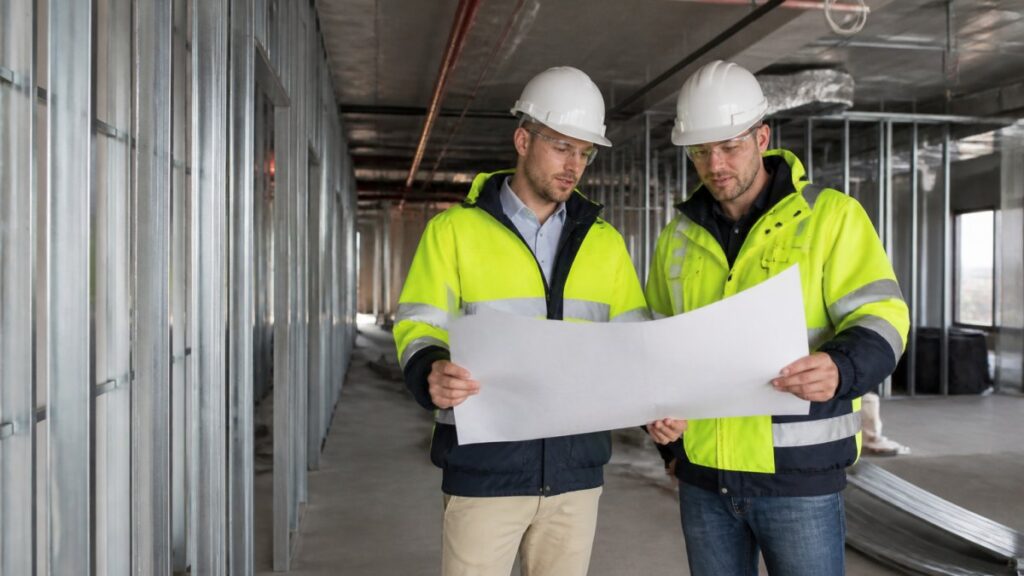
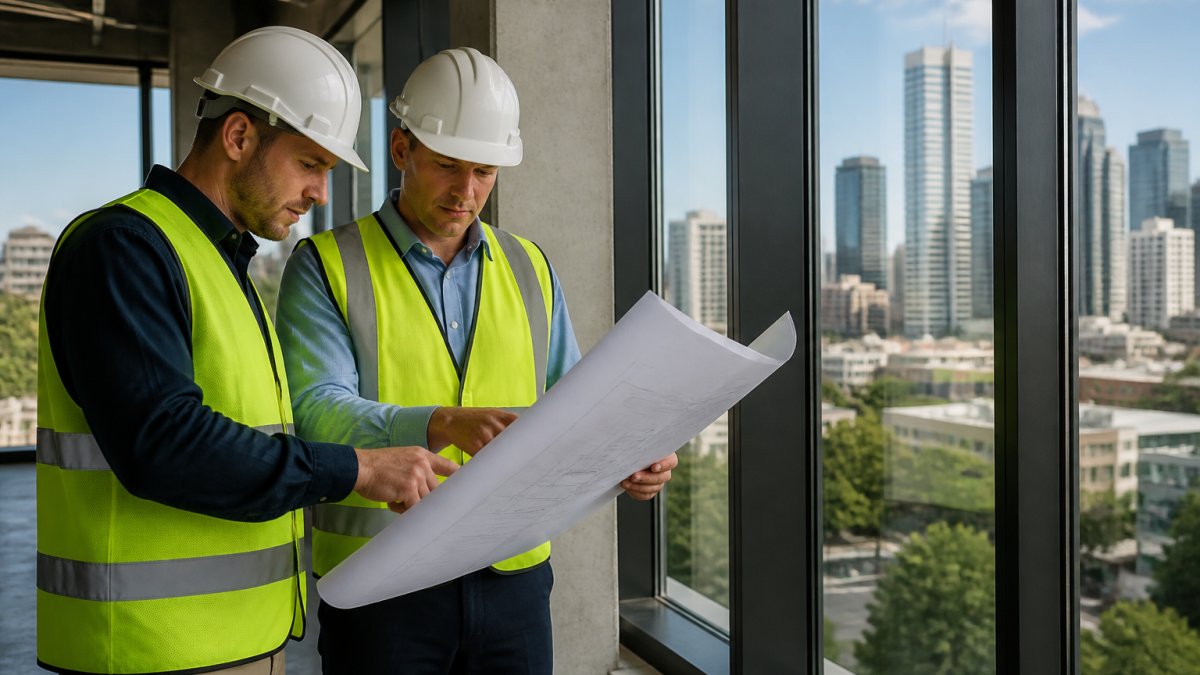
Fire engineers work across the entire project lifecycle. They review architectural plans during design. They assess existing buildings for compliance. They develop solutions when standard prescriptive codes don’t fit the project.
Their core responsibilities include:
- Designing fire detection and suppression systems
- Calculating safe evacuation routes and exit capacities
- Modelling smoke movement through buildings
- Assessing structural fire resistance
- Preparing detailed fire engineering reports for certifiers
- Liaising with architects, builders, and regulatory bodies
At FyreWise, we recognise that every building is different. A warehouse layout differs from a multi-residential tower. An innovative atrium design poses challenges a standard office doesn’t. Fire engineers solve these problems by combining technical knowledge with practical design flexibility.
The role sits at the intersection of safety and innovation. You need someone who understands both the regulations and how to work creatively within them.
Fire Engineer Qualifications and Professional Accreditation
Fire engineering is a regulated profession. You cannot call yourself a fire engineer brisbane or any fire engineer without proper qualifications and registration.
University Degrees and Study Requirements
Most fire engineers hold a degree in civil engineering, mechanical engineering, or a specialised fire engineering programme. The typical pathway involves:
- A four-year bachelor’s degree in engineering (or equivalent)
- Completion of fire engineering modules or a specialisation
- Practical experience working under a qualified engineer
- Professional development and continuing education
Universities across the country offer fire engineering coursework within broader engineering degrees. Some institutions provide dedicated fire safety units. The content covers fire dynamics, building codes, risk assessment, and computational modelling.
After graduation, new engineers typically work as assistants or junior engineers. They gain practical experience on real projects. They learn how regulations apply in practice, not just in theory.
Professional Registration and RPEQ
The key credential in Australia is RPEQ registration, Registered Professional Engineer Queensland.
To become RPEQ-registered, you must:
- Hold an approved engineering degree
- Demonstrate practical experience (typically 3-5 years)
- Pass a professional assessment
- Commit to ongoing professional development
- Maintain compliance with the Code of Professional Conduct
RPEQ registration matters because it’s the standard certifiers and building authorities recognise. When you engage a fire engineer, you’re checking they hold this credential. It signals they’ve met rigorous standards and remain accountable to the profession.
Many fire engineers also pursue specialist certifications in fire protection engineering or advanced computational modelling. These demonstrate deeper expertise in specific areas.
Understanding Fire Engineering Reports
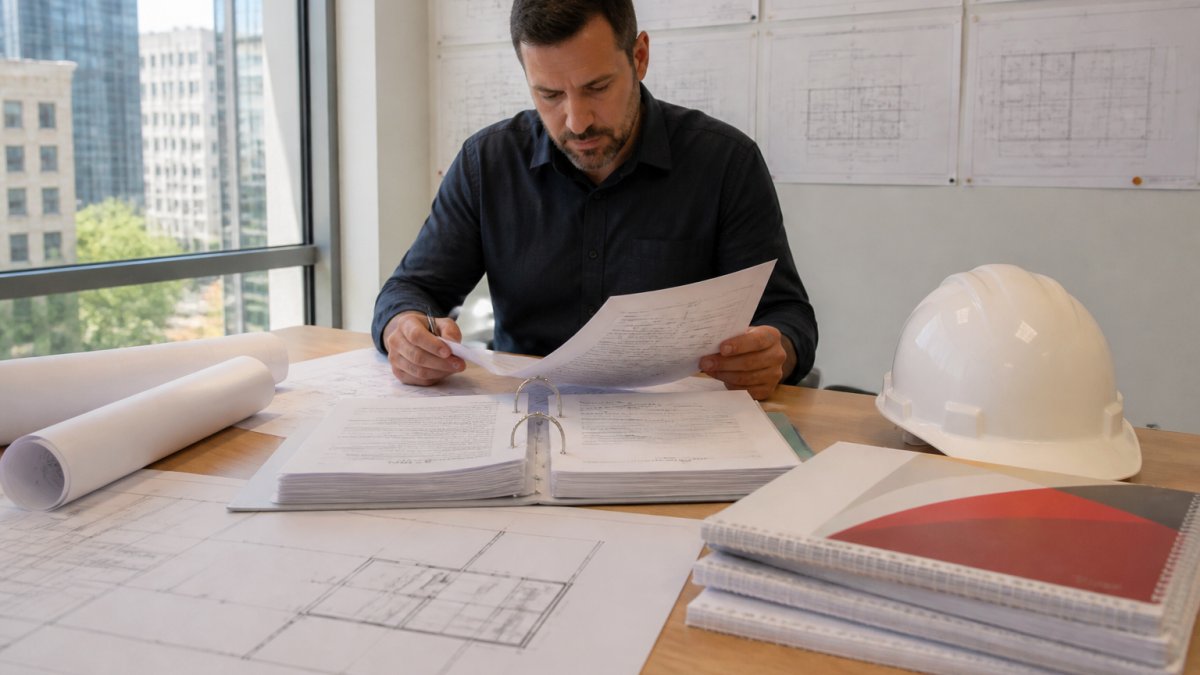
A fire engineering report is the deliverable that proves your building meets fire safety requirements. It’s the document certifiers review before issuing occupancy approval.
The report documents the fire engineer’s analysis and recommendations. It shows how the design protects occupants and assets. It explains why the chosen approach meets or exceeds the Building Code of Australia (BCA).
A comprehensive report typically includes:
- Executive summary of findings and recommendations
- Description of the building and its occupancy
- Fire safety strategy and design approach
- Detailed calculations and modelling results
- Risk assessment and mitigation measures
- Compliance statement against relevant standards
- Limitations and assumptions
The quality of the report directly affects approval timelines. A thorough, well-structured report gets approved first time round. An incomplete or unclear report gets returned with requests for revision.
This is where experience matters. FyreWise focuses on clarity and completeness because we know delays cost money.
Performance-Based Solutions in Fire Engineering
Most buildings follow prescriptive solutions, standard rules like exit widths, sprinkler spacing, and fire ratings. These are simple to apply but inflexible.
A performance-based solution is different. Instead of following a fixed formula, the engineer designs a system tailored to that specific building. The design must achieve the same safety outcome, but the path there is customised.
Performance-based design works when:
- The building layout is unusual or innovative
- Prescriptive rules don’t fit the project
- You need flexibility to optimise cost or function
- Standard approaches would require expensive redesigns
The process involves modelling fire behaviour, testing evacuation scenarios, and verifying that safety outcomes meet or exceed prescriptive requirements. It’s more complex than following a checklist, but it often delivers better results.
For architects with bold designs, performance-based solutions unlock possibilities. You’re not locked into the constraints of standard codes. Instead, you prove your design is safe through rigorous analysis.
This approach requires expertise. Not every fire engineer is equipped to develop performance-based solutions. You need someone comfortable with computational modelling, risk assessment frameworks, and the flexibility to think beyond standard templates.
Fire Engineering Fees and Cost Considerations
Fire engineering is a professional service, and costs vary based on project complexity.
Factors that affect fees include:
- Building size and occupancy type
- Complexity of the design
- Whether performance-based or prescriptive solutions are needed
- Extent of modelling and analysis required
- Project stage (concept, detailed design, or post-construction assessment)
A straightforward warehouse assessment costs less than a 40-storey mixed-use tower. An innovative atrium design requires more analysis than a standard office layout.
Rather than guess at costs, the best approach is to contact a fire engineer with your project brief. They can provide a scope and indicative fee based on what’s actually involved.
At FyreWise, we position pricing as an investment in certainty. A thorough fire engineering assessment early in design prevents costly redesigns later.
Career Pathways and Opportunities
Fire engineering offers diverse career paths across sectors.
Common roles include:
- Consulting fire engineer, works with architects and developers on new projects
- In-house fire engineer, employed by large developers or facility managers
- Regulatory consultant, advises on compliance for existing buildings
- Fire safety specialist, focuses on risk assessment and mitigation
- Research engineer, develops new methods and standards
The construction industry drives demand. As buildings become more complex and regulations evolve, the need for specialist expertise grows.
Opportunities exist across sectors: commercial, residential, industrial, healthcare, and infrastructure. Each has unique fire safety challenges.
For engineers early in their career, working with a consulting firm like FyreWise provides broad exposure. You learn from experienced practitioners. You build the portfolio needed for RPEQ registration.
Experienced engineers often move into leadership roles, managing teams or directing fire safety strategy for major organisations.
How to Engage a Fire Engineer for Your Project
Engaging a fire engineer early makes a difference. The best time is during concept design, not after plans are finalised.
Here’s what to do:
1. Prepare your project brief
Gather basic information: building type, size, occupancy, location, design stage, and any specific challenges. This helps the fire engineer understand scope.
2. Identify a qualified engineer
Check for RPEQ registration. Review their experience with similar project types. Ask for references from recent clients.
3. Discuss your approach
Are you seeking prescriptive compliance or performance-based solutions? What’s your timeline? What’s your budget for engineering input? Clear conversation prevents mismatches.
4. Request a scope and proposal
A good fire engineer provides a detailed scope outlining deliverables, timeline, and fees. This sets expectations on both sides.
5. Engage early in design
Involve the fire engineer before architectural plans are locked. Early input prevents costly revisions later.
6. Maintain communication
Regular updates between the fire engineer, architect, and builder keep everyone aligned. Issues are identified and resolved quickly.
At FyreWise, we’ve worked with architects who worried their innovative designs couldn’t be approved. We’ve helped developers avoid redesigns by addressing fire safety early.
The difference comes from experience and clear communication. We understand both the technical requirements and the practical constraints of your project.
Achieving fire safety compliance for complex buildings requires expertise you can trust. FyreWise delivers chartered, RPEQ-accredited fire engineers who develop tailored performance-based solutions aligned with the Building Code of Australia. Our team works from concept through occupancy, ensuring your project meets safety standards without unnecessary cost or delay. Send an enquiry to FyreWise and let us show you how early fire engineering input protects your timeline and budget.
Frequently Asked Questions
What qualifications do I need to become a fire engineer?
You’ll need a university degree in fire engineering, civil engineering, or mechanical engineering with fire safety specialisation. Most fire engineers then pursue Professional Engineer (PE) registration through Engineers Australia and RPEQ accreditation in Queensland. This typically requires four years of tertiary study plus two years of professional experience under a chartered engineer’s supervision. Continuing professional development is mandatory to maintain registration.
What should a fire engineering report include?
A comprehensive fire engineering report covers building layout and occupancy type, fire load assessment, smoke management systems, evacuation routes and timing, detection and suppression systems, structural fire resistance, and compliance with the Building Code of Australia (BCA). It includes detailed calculations, modelling results, and recommendations. The report must be prepared by a qualified fire engineer and address all applicable Australian Standards.
When should I engage a fire engineer for my project?
Engage a fire engineer early in the design phase, ideally during concept or schematic design. Early involvement allows them to influence design decisions, avoid costly redesigns later, and ensure performance-based solutions align with your project vision. For complex or innovative buildings, early engagement is essential. Even straightforward projects benefit from early consultation to confirm whether prescriptive or performance-based approaches suit your scope and budget.
What’s the difference between prescriptive and performance-based fire engineering?
Prescriptive fire engineering follows the Building Code of Australia’s standard deemed-to-comply solutions, which work well for conventional buildings. Performance-based fire engineering uses calculations, computer modelling, and risk assessment to demonstrate safety for complex or non-standard designs. Performance solutions offer flexibility for innovative layouts, atria, or unusual occupancies, but require more detailed engineering and cost more upfront. The choice depends on your building type, budget, and design constraints.