
Last Updated: 1 November 2026
Quick Summary
To choose a fire engineer Melbourne projects can rely on, check that the person who will sign the report is chartered and registered, and has experience with your building type. Engage them at concept design, so fire safety shapes the building rather than being retrofitted later. Compare quotes on the same scope, since a cheap quote that excludes modelling or certifier rounds often costs more overall.
- Ask for the name and registration of the engineer who will sign the report, not just the firm.
- Bring in a fire engineering consultant at concept design, before the layout is fixed.
- Performance-based fire engineering proves safety through analysis rather than fixed prescriptive rules.
- Agree the approval pathway with your building surveyor before any performance modelling begins.
- Compare quotes only after confirming each one covers the same scope and certifier interaction.
Table of Contents
- What a Fire Engineer Does on a Melbourne Project
- When to Bring in a Fire Engineering Consultant
- Performance-Based Fire Engineering and When It Applies
- How to Brief a Fire Engineer and Prepare Your Project
- Understanding the Fire Engineering Assessment and Report
- Comparing Fire Engineering Consultants: Fees, Timelines and Credentials
- Engaging Your Fire Engineer Early and Booking a Scoping Call
- Frequently Asked Questions
Choosing a fire engineer is one of the more consequential decisions on a building project, and the right fire engineer can make the difference between smooth approval and costly delay. The right fire engineer keeps your design moving through approval, while the wrong one can leave you with a report that a certifier rejects months into construction. This guide walks through how to choose and brief a fire engineering consultant, and what the process actually looks like from start to finish.
What a Fire Engineer Does on a Melbourne Project
A fire engineer assesses how a building will behave in a fire and designs the measures that keep occupants safe and the structure protected. The work covers fire safety systems, smoke control, evacuation and fire strategy, and it sits alongside the building’s architectural and structural design.
Fire engineering is a distinct discipline from fire safety practice, which typically covers inspection, maintenance and risk assessment of existing buildings. A fire engineer designs the fire safety strategy for a new or altered building and produces the documentation that supports its approval.
Your fire engineer is the person who must justify every fire safety decision in the report, so their credentials and experience matter as much as their fee.
When to Bring in a Fire Engineering Consultant
Bring a consultant in as early as possible, ideally at concept design. Early input lets the team shape the building around fire safety rather than retrofitting solutions after the design is fixed.
You should engage a fire engineer when:
- The building has a non-standard layout, such as a large atrium or unusual travel distances
- The design cannot meet the prescriptive requirements of the Building Code of Australia (BCA)
- The project involves a large commercial, multi-residential or mixed-use development
- A certifier or building surveyor has asked for a fire engineering report
Waiting until the certifier raises an issue is the most expensive route. Late changes to a design usually cost far more than early input would have.
Performance-Based Fire Engineering and When It Applies
Performance-based fire engineering is an approach that proves a building meets its fire safety objectives through analysis, rather than by following fixed prescriptive rules. Instead of asking “does this meet the deemed-to-satisfy provisions?”, the engineer asks “does this design achieve the required level of safety?”
This approach suits buildings that do not fit standard solutions. Common examples include open-plan atria, heritage adaptations and structures with unusual occupancy. It can also reduce the cost of a project by avoiding expensive prescriptive measures that add little safety value in that specific design.
Performance-based solutions are not always cheaper. They require modelling and analysis, and they must be accepted by the certifier, so the approval pathway needs to be agreed before the work begins.
How to Brief a Fire Engineer and Prepare Your Project
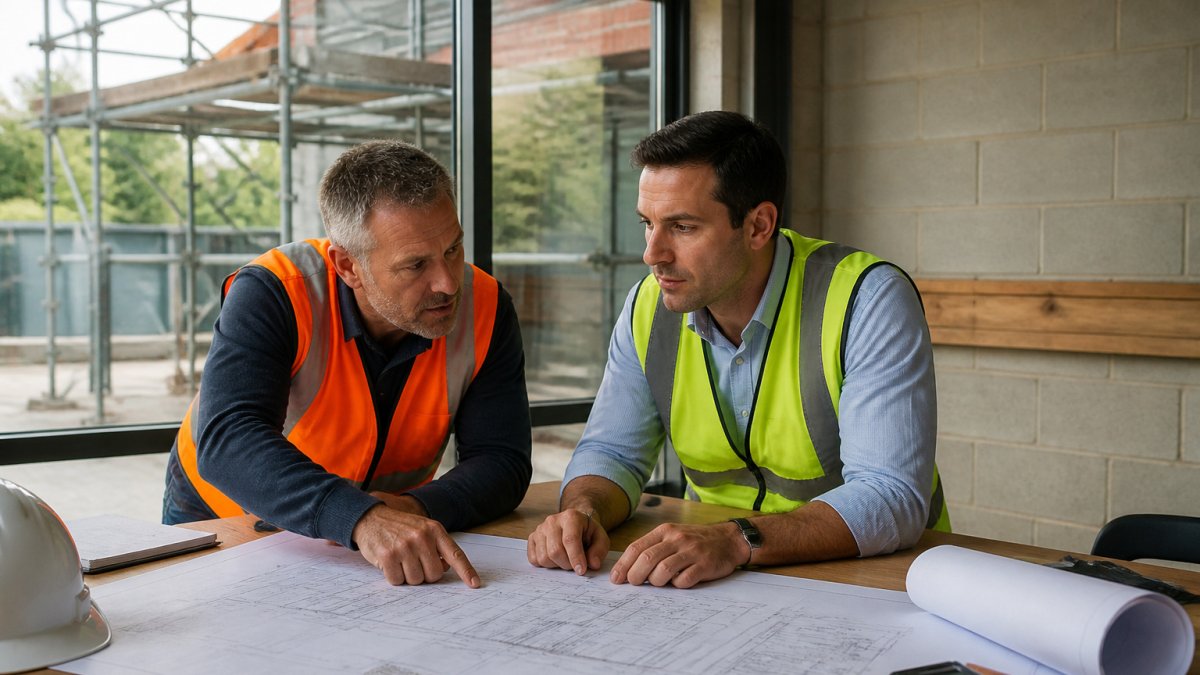
A clear brief saves time and money, but the brief also needs to fit the building approval pathway. The fire engineer’s report is one input to the building permit application, and the building surveyor will assess it alongside the architectural and structural documentation.
What to gather before first contact
- Architectural plans at the current design stage, including site plan and floor plans
- The building classification under the National Construction Code (NCC) and intended occupancy (Building classifications)
- Site details, including boundaries, setbacks and adjacent buildings
- Any previous fire engineering reports, certifier comments or council correspondence
- Your target programme and the date you intend to lodge for a building permit
- The name of your appointed building surveyor, if one is engaged
The Victorian approval pathway, step by step
- Appoint a building surveyor early. Engaging them before the fire engineer lets you confirm the approval strategy up front.
- Brief the fire engineer against the design. Provide the plans and state whether you need a concept review, a full fire engineering report, or support through the permit process.
- Agree the performance solution scope. If the design departs from the deemed-to-satisfy provisions of the NCC, the engineer and surveyor should agree the analysis approach before modelling begins.
- Prepare the fire engineering report. This is the document the surveyor relies on to assess the alternative solution. It must state the objectives, assumptions, methods and conclusions clearly.
- Lodge the building permit application. The report is submitted with the architectural documentation. The surveyor may request further information or a peer review.
- Respond to comments and close out. Allow time for at least one round of surveyor comment before the permit is issued.
Ask your fire engineer and building surveyor to communicate directly at the scoping stage. A short joint call often resolves approval-pathway questions that would otherwise take weeks of written correspondence.
Deliverables to expect at each stage
- Concept stage: a short letter or memo identifying the likely performance solutions, key risks and information needed to proceed
- Design development: a draft fire engineering report with assumptions and preliminary analysis
- Approval stage: a final signed report suitable for lodgement with the building permit application
- Construction stage: responses to requests for information and, where required, inspection or verification of installed measures
Be specific in your brief about which of these you need. A consultant who knows you are heading to a building permit will structure the report differently from one asked for a high-level review.
Understanding the Fire Engineering Assessment and Report
The fire engineering assessment is the analysis that tests the design against its safety objectives. It usually includes a review of the building, identification of hazards, and evaluation of how occupants can escape and how the fire can be contained or controlled.
A fire engineering report is the document that records this analysis for the certifier. A good report states the objectives, the assumptions, the analysis methods and the conclusions clearly enough that a certifier can follow the reasoning without contacting the author. Ask to see a sample report before you engage a firm.
Comparing Fire Engineering Consultants: Fees, Timelines and Credentials
When you compare consultants, look beyond the headline fee. The cheapest quote is rarely the lowest total cost once approvals, rework and programme delays are counted. For real Australian cost ranges and fixed-fee models, see how fire engineering performance solutions are priced.
Credentials that matter in Victoria
- Chartered status through Engineers Australia, which signals a peer-reviewed level of competence
- Registration on the National Engineering Register (NER), which covers fire safety engineering as an area of practice
- RPEQ registration if the firm also works in Queensland, useful for national projects but not a Victorian requirement
- Membership of the Society of Fire Safety within Engineers Australia, which is the closest thing the profession has to a specialist fire engineering community
Ask for the name and registration details of the engineer who will actually sign the report, not just the firm. The signatory carries the professional liability, and their experience on your building type is what a certifier will scrutinise.
What drives fees
Fire engineering fees in Victoria are quoted project-by-project. The main cost drivers are:
- Building size and complexity, floor area, number of storeys, and whether the building has atria, basements or unusual geometry
- The approval pathway, a deemed-to-satisfy design needs far less analysis than a performance solution that requires modelling and a peer review
- The number of performance solutions, each alternative solution needs its own analysis, assumptions and justification
- Certifier interaction, some projects need multiple rounds of comment and response, which adds hours
- Programme, compressed timelines usually attract a premium because work is resequenced
Pricing depends on the scope and complexity of the project. For current figures, request a quote from FyreWise.
A low quote that excludes computational modelling, peer review or certifier meetings is not a like-for-like comparison. Ask each consultant to price the same scope and to state explicitly what is excluded. If you are also weighing up providers for existing buildings, see how to choose a fire risk assessment service.
Questions to ask before you engage
- Who will sign the report, and what is their experience with this building class?
- What is included in the fee, and what triggers a variation?
- How many rounds of certifier comment are covered?
- What is the realistic programme from engagement to an approval-ready report?
- Can you see a redacted sample report for a similar project?
Timelines
Turnaround depends on the scope of the project and certifier feedback. Build realistic time windows into your programme before you lodge for a building permit, not after. Read typical timeframes and what speeds up or delays approval for a performance solution.
The table below sets out the main factors that drive a fire engineering quote, so you can compare like with like.
| Fee driver | What it means | Effect on cost |
|---|---|---|
| Building size and complexity | Floor area, storeys, atria, basements | Larger or unusual buildings cost more |
| Approval pathway | Deemed-to-satisfy or performance solution | Performance solutions need more analysis |
| Number of performance solutions | Each needs its own analysis | Each adds scope and hours |
| Certifier interaction | Rounds of comment and response | More rounds add hours |
| Programme | Compressed timelines | Usually attracts a premium |
Engaging Your Fire Engineer Early and Booking a Scoping Call
The best time to engage a fire engineer is before the design is locked. Start with a scoping call, where you outline your project and the consultant identifies the likely approach and the key risks.
Use the Fire Engineering pages to see the services on offer before you book, then get in touch with the FyreWise team to arrange a scoping call. Bring your plans and your questions, and you will leave with a clear picture of what the project needs and what it will take to get there.
Frequently Asked Questions
What does a fire engineer do?
A fire engineer assesses how a building will perform in a fire and designs measures to protect occupants and property. Their work typically includes reviewing the building design, modelling smoke and evacuation, specifying fire safety systems and preparing a fire engineering report for the certifier. Where the design departs from the prescriptive requirements of the National Construction Code, the fire engineer demonstrates through analysis that the proposed solution meets the performance requirements. Pricing for this work depends on the scope and complexity of the project, so request a quote from FyreWise for current figures.
When should I engage a fire engineering consultant for a building project?
Engage a fire engineering consultant as early as possible in design, ideally during concept or schematic design. Early involvement allows fire safety requirements to shape the layout, atrium, egress routes and building services rather than forcing late redesigns. Projects with unusual geometry, large open spaces, tall or mixed-use buildings, or a desire to depart from prescriptive solutions benefit most from early input. Certifiers may also require a fire engineering report before building approval, so timing the engagement to the approval programme avoids delays.
What information should I provide to a fire engineering consultant?
Provide current architectural drawings, the building classification, the intended use of each area, occupant numbers and characteristics, and any existing fire safety systems. Include the proposed construction materials, site constraints such as boundary distances, and the design features you want to justify, such as an atrium or non-standard egress. Clear information at the start reduces revisions and helps the consultant scope the assessment accurately.
How long does a fire engineering assessment take?
The timeline depends on project size, the number of design options to test and how quickly information is supplied. Timelines depend on the project’s size and complexity. Raising the timeline early with your consultant and building in review periods for the certifier helps keep the project programme on track.
Choosing a fire engineer comes down to credentials, relevant experience, and whether they engage early enough to shape your design. Start the conversation before your design is fixed, and you give your project the best chance of approval without expensive rework.