
Table of Contents
- Understand What Triggers the Need for a Fire Engineering Report
- Fire Engineering Brief Requirements: Starting with a Clear Scope
- Prepare Your Fire Engineering Report Checklist
- Review Fire Engineering Report Examples and Standards
- How Long Does a Fire Engineering Report Take to Approve
- Submit Your Report to the Building Certifier and Respond to Requests
- Achieve Final Approval for Your Fire Engineering Report
- Frequently Asked Questions
Last Updated: 21 October 2026
Understand What Triggers the Need for a Fire Engineering Report
A fire engineering report is a detailed technical document that demonstrates how a building meets fire safety requirements. It’s required when your design doesn’t fit the standard prescriptive rules in the Building Code of Australia (BCA). Most commonly, this happens with innovative layouts, complex buildings, or non-standard construction methods.
The key trigger is simple: if your design deviates from the BCA’s deemed-to-satisfy provisions, you need a fire engineering report. This applies to architects designing atrium spaces, developers building multi-storey mixed-use buildings, and builders creating structures near property boundaries that don’t meet standard setbacks.
Performance-based design isn’t just about proving compliance, it’s about giving your building flexibility whilst maintaining life safety. The difference between getting stuck with a prescriptive redesign and moving forward with your original concept often comes down to having a strong fire engineering report approved early.
Common scenarios requiring a fire engineering report include:
- Complex atriums or open-plan designs across multiple floors
- Buildings with limited escape routes due to site constraints
- Industrial facilities with hazardous materials requiring custom fire safety strategies
- Heritage buildings where standard fire safety measures would damage historic fabric
- Innovative construction materials or methods not covered by standard codes
Start the fire engineering process during design development, not after construction drawings are locked. Early engagement prevents costly redesigns and ensures your report gets approved first time.
Fire Engineering Brief Requirements: Starting with a Clear Scope
The fire engineering brief is your foundation. It defines what the report will cover and sets expectations with your building certifier. Without a clear brief, you’ll face delays, scope creep, and rejections.
Your brief should specify:
- The building type and occupancy class under the BCA
- The design life and intended use of the building
- Specific areas where performance-based design is proposed
- The performance objectives you’re targeting (life safety, property protection, or both)
- Any constraints (site limitations, heritage considerations, budget)
- The design standards and Australian Standards you’ll reference
The brief acts as a contract between you and the fire engineer. It tells the building certifier exactly what’s being assessed. A vague brief leads to assumptions, and assumptions lead to rejections.
When you’re preparing your brief, be specific about the performance criteria. Don’t just say “ensure safe evacuation.” Instead, say “demonstrate that all occupants can evacuate within 6 minutes using modelling to AS/NZS 3826.” This clarity ensures your fire engineering report approved outcome aligns with what the certifier expects.
Many projects stumble here because teams rush through the brief to get to design. That’s backwards. A thorough brief takes days but saves weeks of rework later.
Prepare Your Fire Engineering Report Checklist
Essential documentation and compliance evidence
Your fire engineering report must include specific documents to stand up to certifier scrutiny. Missing items are the leading cause of rejection.
Required documentation includes:
- Executive summary stating how the building meets BCA performance requirements
- Detailed fire safety strategy for each area of the building
- Justification for any departure from deemed-to-satisfy provisions
- References to all relevant Australian Standards (AS 1668, AS 1905, AS 3826, AS 4391 and others)
- Calculations supporting your design (evacuation times, smoke management, fire spread analysis)
- Drawings clearly showing fire safety systems, compartmentation, and exit routes
- Evidence of consultation with relevant authorities (councils, emergency services where required)
- Professional indemnity insurance details and engineer credentials
The checklist isn’t bureaucracy, it’s proof. Each item demonstrates that your design has been tested against the BCA’s performance requirements. A certifier reviewing your fire engineering report approved decision needs confidence that nothing’s been missed.
Documentation must be current. If you’re referencing Australian Standards, use the latest editions. Outdated standards are a fast track to rejection.
Performance-based design justification
This is where your fire engineering report shows its value. You’re not just listing rules you’ve followed, you’re proving that your design achieves the same safety outcomes as the prescriptive approach would.
Your justification should cover:
- Life safety: How occupants will detect fire, evacuate safely, and reach a place of safety
- Structural safety: How the building will maintain integrity during a fire
- Property protection: How fire spread will be limited and firefighting supported
- Environmental safety: How hazardous materials are managed
Each section needs evidence. That means calculations, modelling results, and references to recognised design guides. Vague statements like “the design is safe” won’t work. You need “evacuation modelling using [software] shows all occupants reach a place of safety within 6 minutes, which aligns with AS/NZS 3826 requirements.”
The performance-based approach gives you flexibility. You might achieve life safety through a combination of early warning systems, wider stairs, and improved wayfinding rather than adding another stairwell. Your fire engineering report approved status depends on proving those alternatives work.
Avoid generic justifications copied from other projects. Certifiers spot template language immediately. Your justification must address the specific building, occupancy, and design challenges you’re facing.
Review Fire Engineering Report Examples and Standards
Before writing your report, study examples that have been approved. This shows you the standard certifiers expect and the level of detail required.
Look for examples in your building type. A fire engineering report approved for a 12-storey office building will have different emphasis than one for a warehouse or aged care facility.
Key Australian Standards you’ll reference:
- AS/NZS 3826 – Guidelines for fire safety management in buildings. This is your baseline for evacuation times and occupant movement.
- AS 1668 – The smoke management standard. Critical for buildings with atriums or large open spaces.
- AS 1905 – Fire-resistant doors and shutters. Referenced when justifying compartmentation strategies.
- AS 4391 – Guidelines for fire safety in shopping centres. Specific to retail and mixed-use buildings.
- BCA Section C – Fire resistance and other properties of materials. Your performance criteria anchor here.
Understanding these standards isn’t optional. Your fire engineering report will be assessed against them. Certifiers expect you to demonstrate compliance with the specific clauses that apply to your building.
The Building Code of Australia itself provides the framework.
Many teams skip this step and regret it. Spend time reading approved reports and the standards they reference. Your fire engineering report approved chances improve dramatically when you understand the language and expectations.
Your report must speak the certifier’s language: specific Australian Standards, quantified performance criteria, and clear links between your design and BCA compliance. Vague language leads to rejection.
How Long Does a Fire Engineering Report Take to Approve
The approval timeline depends on complexity, but most reports take 4 to 8 weeks from submission to final approval. This assumes no major issues and responsive communication.
Simple reports, those with straightforward performance-based justifications and minimal calculations, can move faster. Complex buildings with multiple fire safety systems, evacuation modelling, and structural analysis take longer.
The review process typically follows this rhythm:
- Week 1-2: Certifier’s initial review. They check for completeness and flag obvious gaps.
- Week 2-4: You respond to initial comments. This is where most delays happen, incomplete responses mean another round of review.
- Week 4-6: Detailed technical assessment. The certifier digs into calculations, modelling, and standards compliance.
- Week 6-8: Final comments and approval. If your responses were thorough, this phase is quick.
Delays usually come from incomplete responses or missing documentation. A well-prepared fire engineering report approved without revision is rare, but thorough initial preparation cuts revision cycles significantly.
Plan for at least one round of comments. Even strong reports typically get questions. The certifier isn’t looking for reasons to reject, they’re checking that life safety has been properly considered.
If you’re working on a complex building, consider engaging your fire engineer early to discuss the certifier’s expectations.
Submit Your Report to the Building Certifier and Respond to Requests
Submission is straightforward, but the response phase is where many projects stall. You’ll submit your fire engineering report to the building certifier responsible for your jurisdiction. They’ll review it against the BCA and issue either approval or a list of comments.
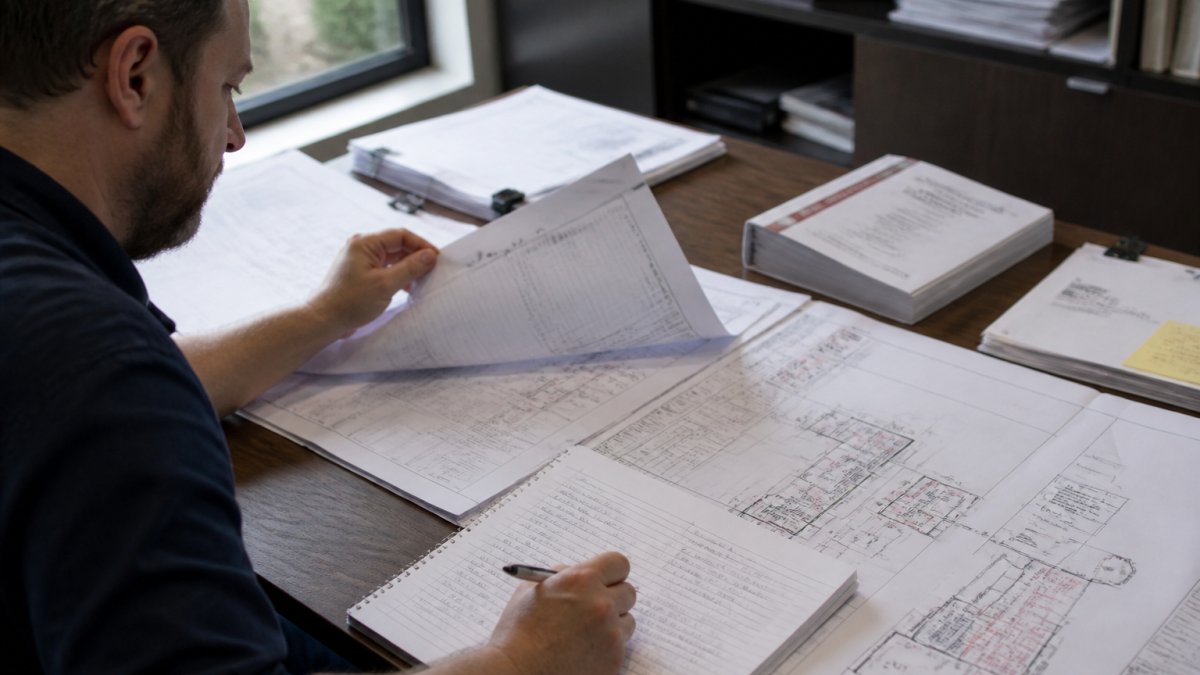
Before you submit, check:
- All drawings are current and match the report text
- Calculations are clearly labelled with assumptions stated
- References to Australian Standards include edition numbers
- Professional details and credentials are included
- The executive summary accurately reflects the full report
Submission should include a cover letter explaining the report’s purpose and the performance-based areas covered. This helps the certifier understand the scope immediately.
Common reasons for rejection and how to address them
The most common rejection reasons are fixable. Understanding them upfront helps you avoid them.
Incomplete evacuation analysis. You’ve stated evacuation times but haven’t modelled movement through doorways, down stairs, or out of the building.
Vague performance criteria. Your report says the design “provides adequate life safety” but doesn’t specify what “adequate” means numerically.
Missing justification for departures. You’ve identified where the design departs from the BCA’s deemed-to-satisfy approach but haven’t explained why or how the performance-based alternative achieves the same outcome.
Inadequate fire safety strategy for a specific area. You’ve covered the main building but glossed over a high-risk zone like a plant room or storage area.
Outdated or missing Australian Standards references. You’ve cited an old edition of a standard or missed a critical standard altogether.
When the certifier issues comments, respond point-by-point. Don’t rewrite the entire report, that creates new issues.
Treat certifier comments as clarification requests, not rejections. Respond professionally and thoroughly. A good response often leads to approval without further rounds of review.
Achieve Final Approval for Your Fire Engineering Report
Final approval comes when the certifier is satisfied that your fire engineering report demonstrates compliance with the BCA’s performance requirements.
This approval is your green light to proceed with construction. The fire safety systems and strategies outlined in the report become part of your building’s compliance framework.
Common conditions on approval include:
- Fire safety systems must be commissioned and tested before occupation
- Specific documentation must be provided to the certifier before handover
- Certain design elements must be reviewed again if changes occur during construction
- Post-construction certification confirming all fire safety systems are operational
Your fire engineering report approved status doesn’t end at approval. It’s the foundation for construction compliance and occupancy certification.
If design changes occur during construction, notify your fire engineer immediately. Changes to compartmentation, exit routes, or fire safety systems may require report amendments.
Our chartered engineers manage the technical responses to certifier comments, ensuring your fire engineering report approved outcome happens efficiently.
Getting your fire engineering report approved requires clear scope, thorough documentation, and responsive engagement with your certifier.
If your building design includes performance-based fire safety elements, FyreWise can guide you through the approval process.
Frequently Asked Questions
What is a fire engineering brief and when is it required?
A fire engineering brief is a formal document that outlines the scope, objectives, and constraints for your fire engineering report. It’s required whenever you’re proposing a performance-based design solution that deviates from prescriptive Building Code of Australia requirements. The brief ensures your fire engineer understands your project’s unique challenges, building use, occupancy, and design intent before they begin detailed analysis. Engaging your fire engineer early to develop the brief helps avoid costly redesigns later.
How long does a fire engineering report take to get approved by a building certifier?
Approval timelines vary depending on report complexity, certifier workload, and completeness of your submission. Straightforward reports typically take 2-4 weeks; complex projects with performance modelling may take 6-12 weeks or longer. Delays often occur when reports lack required documentation, don’t address evacuation modelling, or fail to justify deviations from the BCA. Submitting a thorough, well-structured report with all supporting evidence significantly reduces back-and-forth requests and accelerates approval.
What happens if the building certifier rejects my fire engineering report?
A rejected report typically includes specific feedback on non-compliance, missing analysis, or design flaws. Common reasons include inadequate evacuation modelling, insufficient justification for performance-based solutions, or failure to meet AS standards. You’ll need to revise the report, address each concern, and resubmit. Working with experienced fire engineers who understand certifier expectations from the outset significantly reduces rejection risk and prevents costly project delays.
Can a performance-based fire engineering design help us avoid complete redesigns?
Yes. Performance-based fire engineering allows flexibility for innovative or non-standard designs by demonstrating safety through detailed analysis rather than prescriptive rules. This approach is particularly valuable for complex projects, atria, unusual layouts, or heritage constraints, where strict code compliance would force expensive redesigns. A well-developed performance brief and thorough engineering justification can preserve your design intent whilst meeting all safety and regulatory requirements.